Sticky Filipino Pork Ribs Recipe – Sweet, Savory and Fall-Off-the-Bone
There is something magical about the smell of garlic, soy sauce, and vinegar simmering together on the stove. If you grew up around a Filipino kitchen, that smell probably means one thing: dinner is about to be incredible. These Filipino-Inspired Sticky Pork Ribs take the bold, tangy flavors of a classic pork adobo and dial them up with a glossy, honey-kissed glaze that clings to every bite.
This is the kind of dish that turns a regular weeknight into something special, yet it is simple enough that you do not need any fancy equipment or rare ingredients. Just tender pork spare ribs, a handful of pantry staples, and a little patience while the sauce reduces into that irresistible sticky coating everyone fights over.
Why This Recipe Works
- Deep, balanced flavor: The combination of soy sauce, vinegar, garlic, and bay leaves gives these ribs that unmistakable pork adobo backbone, savory, tangy, and aromatic all at once.
- Sticky, glossy glaze: A touch of honey pork magic transforms the braising liquid into a thick, caramelized sauce that coats every rib beautifully.
- Fall-apart tender ribs: Slow simmering breaks down the connective tissue in the pork spare ribs until the meat practically melts off the bone.
- Weeknight friendly: Despite the rich flavor, this pork spare ribs recipe Filipino style comes together with mostly hands-off cooking time.
Ingredients You’ll Need
- Pork spare ribs: The star of the dish, cut into individual ribs or small racks so they cook evenly and soak up the sauce.
- Soy sauce: Forms the salty, umami base of the marinade and braising liquid, essential to any good adobo recipe.
- White or cane vinegar: Adds the signature tang that balances the richness of the pork and sauce.
- Garlic: Plenty of it, minced or crushed, to build that aromatic foundation.
- Brown sugar and honey: Together they create the sweet edge that turns the pork sauce into a sticky glaze.
- Bay leaves: A traditional adobo touch that adds subtle earthy depth.
- Black peppercorns: Whole peppercorns infuse the braising liquid with gentle heat and aroma.
- Water or chicken broth: Used to simmer the ribs until tender before the sauce reduces.
- Cooking oil: For searing the ribs and building flavor before braising.
A good heavy-bottomed pot and a reliable pair of tongs make all the difference when working with ribs, since you want even heat for browning and gentle control when flipping sticky pieces of meat without tearing them apart.
Ready to cook? Find the full recipe below:
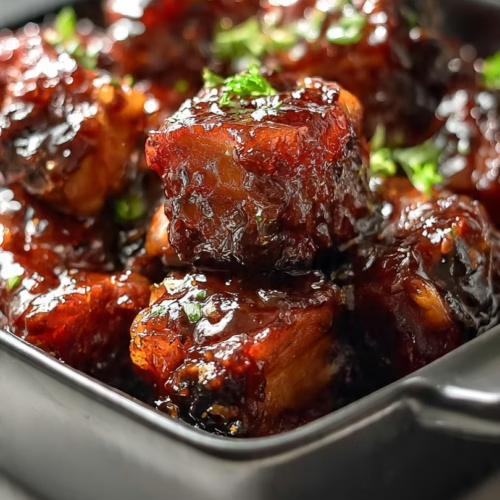
Filipino-Inspired Sticky Pork Ribs
Equipment
- Large heavy-bottomed pot
- Tongs
- Mixing bowl
Ingredients
- 2 lbs pork spare ribs cut into individual ribs
- 1/3 cup soy sauce
- 1/4 cup white or cane vinegar
- 6 cloves garlic minced
- 1 cup water or chicken broth
- 2 bay leaves
- 1 tsp black peppercorns whole
- 3 tbsp brown sugar
- 3 tbsp honey
- 2 tbsp cooking oil
Instructions
- In a bowl, combine the pork spare ribs with soy sauce, vinegar, garlic, and black peppercorns. Let marinate for at least 30 minutes, or refrigerate overnight for deeper flavor.
- Heat oil in a large heavy-bottomed pot over medium-high heat. Sear the ribs in batches for 2 to 3 minutes per side until browned, then set aside.
- Return the ribs to the pot and pour in the marinade along with the water or broth, bay leaves, and brown sugar. Bring to a gentle boil.
- Reduce heat to low, cover, and simmer for 45 to 60 minutes, checking occasionally and adding a splash of water if the liquid reduces too quickly.
- Remove the lid, stir in the honey, and increase heat slightly. Cook for 10 to 15 minutes, stirring occasionally, until the sauce thickens.
- Continue cooking and turning the ribs every couple of minutes until the sauce becomes thick, sticky, and deep amber in color.
- Remove from heat and let rest for 5 minutes before serving to allow the glaze to set slightly. Serve hot over steamed rice.
Notes
Ways to Customize
- Spicy kick: Add sliced chili peppers or a spoonful of chili garlic sauce to the braising liquid for heat that cuts through the sweetness.
- Citrus twist: Swap some of the vinegar for calamansi or lime juice for a brighter, more fragrant sour note.
- Oven finish: After braising, transfer the ribs to a hot oven for 10 minutes to get extra caramelization and char on the edges.
- Pineapple version: Stir in pineapple juice along with the honey for a tropical sweetness that pairs beautifully with the savory sauce.
How to Prepare Filipino-Inspired Sticky Pork Ribs
- Marinate the ribs: Combine the pork spare ribs with soy sauce, vinegar, garlic, and pepper in a bowl, then let them sit for at least 30 minutes, or up to overnight in the fridge for deeper flavor.
- Sear for color: Heat oil in a large pot over medium-high heat and brown the ribs on all sides for about 2 to 3 minutes per side, working in batches so the pot is not crowded.
- Build the braise: Pour in the marinade along with extra water or broth, add the bay leaves and brown sugar, and bring everything to a gentle boil.
- Simmer until tender: Reduce the heat to low, cover, and let the ribs simmer for 45 to 60 minutes, checking occasionally and adding a splash of water if the liquid runs low too quickly.
- Uncover and reduce: Remove the lid, stir in the honey, and increase the heat slightly so the sauce bubbles and thickens for 10 to 15 minutes, stirring occasionally to prevent sticking.
- Glaze and finish: Continue cooking until the sauce clings thickly to the ribs and turns deep amber, turning the ribs gently every couple of minutes so each piece gets evenly coated.
- Rest briefly: Let the ribs sit for 5 minutes off the heat so the glaze sets slightly before serving, which helps it stay sticky rather than runny.
Chef’s Tips
- Do not rush the simmer: Cooking the ribs too quickly at high heat results in tough meat. Low and slow is the secret to that fall-off-the-bone texture.
- Watch the sugar closely: Once honey goes in, the sauce can go from perfectly sticky to scorched in a couple of minutes, so stay near the pot during the final reduction.
- Adjust salt at the end: Soy sauce brands vary in saltiness, so taste the sauce before serving and add a splash of water if it tastes too intense.
A common mistake is skipping the searing step. Browning the ribs first locks in flavor and gives the final dish a richer color and taste.
Serving Suggestions
- Serve over steamed jasmine rice to soak up every bit of the extra pork sauce.
- Garnish with chopped green onions, toasted sesame seeds, or a scattering of fresh cilantro.
- Pair with a simple cucumber and tomato salad dressed with vinegar for a refreshing contrast.
- Add a side of garlic fried rice for an extra Filipino-inspired touch.
- Offer lime or calamansi wedges on the side for squeezing over the ribs just before eating.
Storing and Reheating
- Refrigerating: Store leftover ribs and sauce together in an airtight container in the refrigerator for up to 4 days.
- Freezing: Freeze in a freezer-safe container or heavy-duty bag for up to 3 months, with the sauce helping protect the meat from drying out.
- Reheating: Warm gently in a covered skillet over low heat with a splash of water, stirring occasionally, until heated through, about 8 to 10 minutes, or microwave in 1 minute intervals until hot.
Frequently Asked Questions
Can I use a different cut of pork?
Yes, pork belly or pork shoulder can work well, though cooking times may need slight adjustment since they have different fat and connective tissue ratios than spare ribs.
Is this the same as traditional pork adobo?
It is inspired by classic adobo flavors but leans sweeter and stickier thanks to the added honey and brown sugar, making it more of a glazed rib dish than a traditional adobo stew.
Can I make this in a slow cooker?
Absolutely, sear the ribs first, then transfer everything to a slow cooker on low for 6 to 7 hours, finishing the sauce on the stovetop to thicken it before serving.
What if my sauce is too thin?
Simply simmer it uncovered a little longer, stirring frequently, until it reduces to a glaze-like consistency that coats the back of a spoon.
Final Thoughts
These sticky pork ribs bring together everything wonderful about Filipino home cooking, bold flavor, comforting tenderness, and a sauce so good you will want to drizzle it over rice for days. Give this recipe a try, and do not be surprised if it becomes a regular request at your table.