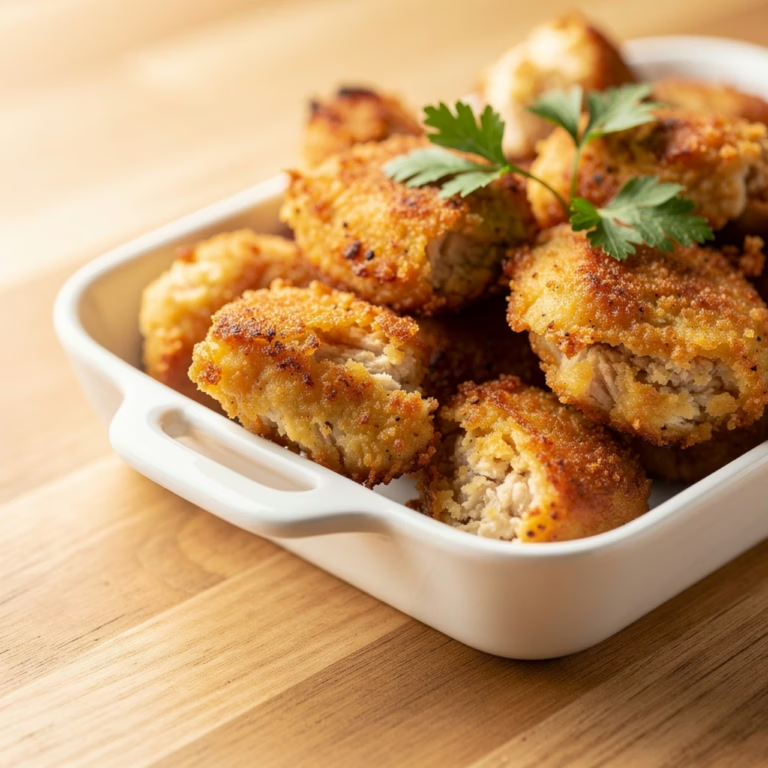
Best Lebanese Recipes: Authentic Flavors Made at Home
Lebanese cuisine is one of the most vibrant, aromatic, and deeply satisfying food traditions in the world. From the smoky char of perfectly grilled kebabs to the creamy tang of freshly made hummus, every dish tells a story of hospitality, heritage, and bold Mediterranean flavors. Whether you are hosting a feast or simply craving something more exciting than your usual weeknight dinner, Lebanese cooking delivers in every single way.
What makes Lebanese food so irresistible is its balance. Bright citrus, earthy spices like cumin and allspice, fresh herbs, and rich olive oil all work together in a harmony that feels both exotic and deeply comforting. This collection brings together the most beloved Lebanese recipes, centered around a classic mezze spread with kibbeh, tabbouleh, and creamy hummus as the stars of the table.
What Makes This Recipe Special
- Authentic spice profile: The blend of allspice, cinnamon, and cumin gives every bite a warmth and depth that is unmistakably Lebanese.
- Fresh, vibrant ingredients: Parsley, lemon, tomatoes, and olive oil keep the flavors bright and the dishes light despite their richness.
- Crowd-pleasing format: A mezze spread invites sharing and grazing, making it ideal for gatherings, holidays, or casual family dinners.
- Make-ahead friendly: Many components can be prepared in advance, so you spend more time enjoying and less time in the kitchen.
Essential Ingredients
- Dried chickpeas: The base of great hummus; soaking and cooking them from scratch produces a far creamier result than canned.
- Tahini: A sesame paste that adds richness and a subtle nutty bitterness; use a good-quality, runny variety for best results.
- Ground lamb: Traditional for kibbeh; its natural fat content and flavor are essential for authenticity.
- Bulgur wheat: Fine bulgur gives kibbeh its signature texture, binding the shell together while adding a slightly nutty flavor.
- Fresh flat-leaf parsley: The backbone of tabbouleh; it must be finely chopped and very fresh.
- Ripe tomatoes: Adds juicy sweetness to tabbouleh; dice them small and drain any excess liquid.
- Lemons: Freshly squeezed only; bottled juice simply cannot replicate the brightness these dishes need.
- Extra-virgin olive oil: Used generously throughout; a fruity, robust oil elevates every component.
- Allspice and cinnamon: The signature Lebanese spice duo that appears in savory dishes from kibbeh to stuffed grape leaves.
- Garlic: Fresh cloves are non-negotiable; they appear in hummus, marinades, and dressings alike.
- Pine nuts: Toasted lightly and used to garnish kibbeh and rice dishes for a buttery crunch.
- Pita bread: Serve warm alongside everything; it is the edible vessel of a proper Lebanese mezze.
Using the right tools and quality ingredients makes an enormous difference when preparing Lebanese dishes at home, particularly for grinding spices fresh and processing hummus to a silky smooth consistency.
Ready to cook? Find the full recipe below:

Lebanese Mezze: Kibbeh, Hummus, and Tabbouleh
Equipment
- Food processor
- Large mixing bowl
- Baking sheet
- Large saucepan
- Skillet
Ingredients
Hummus
- 1.5 cups dried chickpeas soaked overnight and cooked until tender
- 0.5 cup tahini good quality, runny
- 3 tablespoons fresh lemon juice
- 2 cloves garlic minced
- 0.5 teaspoon salt plus more to taste
- 3 tablespoons extra-virgin olive oil plus extra for drizzling
Kibbeh
- 1 cup fine bulgur wheat rinsed and drained
- 1 pound ground lamb shoulder preferred, divided
- 1 small yellow onion grated, for shell
- 1 teaspoon allspice divided between shell and filling
- 0.5 teaspoon cinnamon divided
- 0.25 cup pine nuts toasted
- 1 medium onion finely diced, for filling
- 2 tablespoons olive oil for sauteing and brushing
Tabbouleh
- 0.25 cup fine bulgur wheat soaked in lemon juice
- 2 cups fresh flat-leaf parsley very finely chopped
- 3 medium ripe tomatoes finely diced and drained
- 4 stalks green onions thinly sliced
- 4 tablespoons fresh lemon juice
- 3 tablespoons extra-virgin olive oil
- 0.5 teaspoon salt to taste
Instructions
- Drain the soaked chickpeas and place in a large saucepan. Cover with fresh cold water by 2 inches and bring to a boil. Reduce heat and simmer for 60 to 90 minutes until completely tender. Reserve 1 cup of cooking liquid and set aside.
- Preheat your oven to 400°F (200°C) and lightly oil a large baking sheet. Set aside.
- Make the hummus: Add warm cooked chickpeas, tahini, lemon juice, garlic, and salt to a food processor. Blend for 4 to 5 minutes, drizzling in reserved cooking liquid a tablespoon at a time, until perfectly smooth and creamy. Taste and adjust seasoning. Transfer to a bowl, drizzle with olive oil, and dust lightly with paprika. Refrigerate until serving.
- Prepare the kibbeh shell: Combine fine bulgur, half the ground lamb (8 oz), grated onion, 0.5 teaspoon allspice, 0.25 teaspoon cinnamon, and 1 teaspoon salt in a large bowl. Knead firmly for 3 to 4 minutes until smooth and cohesive. Cover and refrigerate for 30 minutes.
- Make the kibbeh filling: Heat 1 tablespoon olive oil in a skillet over medium heat. Add the diced onion and cook for 5 minutes until softened. Add the remaining ground lamb, 0.5 teaspoon allspice, 0.25 teaspoon cinnamon, salt, and black pepper to taste. Cook, breaking up the meat, for 8 minutes until browned. Stir in the toasted pine nuts and remove from heat. Let cool slightly.
- Shape the kibbeh: Wet your hands with cold water. Take a golf-ball-sized portion of the shell mixture and form it into an oval. Press your thumb through the center to create a deep hollow. Fill with a heaping teaspoon of the lamb filling, then seal the opening and shape into a smooth torpedo. Repeat with remaining mixture. Place on the prepared baking sheet.
- Brush each kibbeh generously with olive oil and bake at 400°F for 25 to 30 minutes, turning once halfway through, until deeply golden brown and cooked through.
- Make the tabbouleh: Place fine bulgur in a bowl and pour the lemon juice over it. Let soak for 15 minutes until softened. Add the finely chopped parsley, diced tomatoes, green onions, olive oil, and salt. Toss well to combine. Taste and add more lemon juice or salt as needed. Let rest 10 minutes before serving.
- Assemble the mezze spread: Arrange the hummus, warm kibbeh, and tabbouleh on a large serving board or platter. Add warm pita bread, olives, sliced cucumbers, and pickled turnips. Serve immediately and enjoy communally.
Notes
Make It Your Own
- Vegetarian kibbeh: Swap the ground lamb for a mixture of finely chopped mushrooms, walnuts, and lentils seasoned with the same spice blend.
- Spicy harissa hummus: Blend a tablespoon of harissa paste into the hummus for a smoky, fiery twist on the classic.
- Grain-free tabbouleh: Replace the bulgur with finely chopped cauliflower for a lighter, lower-carb version that is just as refreshing.
- Chicken shawarma addition: Add marinated roasted chicken thighs to the spread for a heartier mezze that doubles as a complete meal.
How to Prepare Lebanese Recipes
- Soak the chickpeas overnight: Cover dried chickpeas with cold water and soak for at least 12 hours. Drain, then simmer in fresh water for 1 to 1.5 hours until completely tender. Reserve the cooking liquid.
- Blend hummus until silky: Add warm cooked chickpeas, tahini, lemon juice, garlic, and salt to a food processor. Blend for 4 to 5 minutes, adding reserved cooking liquid a tablespoon at a time until the texture is cloud-like and smooth.
- Mix and rest the kibbeh shell: Combine fine bulgur, ground lamb, grated onion, allspice, cinnamon, and salt. Knead for 3 to 4 minutes until the mixture is smooth and cohesive. Refrigerate for 30 minutes to firm up.
- Prepare the kibbeh filling: Saute diced onion in olive oil over medium heat for 5 minutes. Add ground lamb, allspice, cinnamon, salt, and pepper. Cook until browned, about 8 minutes. Stir in toasted pine nuts and remove from heat.
- Shape and bake the kibbeh: Wet your hands and form the shell mixture into oval torpedoes. Press a hollow into each, fill with the cooked lamb mixture, and seal. Arrange on an oiled baking sheet, brush with olive oil, and bake at 400°F for 25 to 30 minutes until deeply golden.
- Chop and dress the tabbouleh: Soak fine bulgur in lemon juice for 15 minutes to soften. Combine with finely chopped parsley, tomatoes, green onions, olive oil, additional lemon juice, and salt. Toss well and let rest for 10 minutes before serving.
- Assemble and garnish the spread: Swirl hummus onto a wide plate, drizzle with olive oil, and dust with paprika. Arrange kibbeh and tabbouleh alongside warm pita, olives, and sliced cucumbers.
Expert Tips
- Peel the chickpeas for ultra-smooth hummus: After cooking, pinch each chickpea to slip off its skin. It is tedious but the texture difference is remarkable and worth every minute.
- Do not skip resting the kibbeh: Chilling the shell mixture before shaping prevents it from cracking during baking and gives you clean, beautiful torpedoes.
- Balance your lemon aggressively: Lebanese food is meant to be bright and acidic. Taste as you go and add more lemon than you think you need; it should make you slightly pucker.
- Avoid over-salting tabbouleh early: Salt draws moisture from the parsley and tomatoes. Season just before serving so the salad stays vibrant and fresh rather than soggy.
Chef’s tip: Toast your pine nuts in a dry skillet over medium-low heat, watching constantly. They go from golden to burned in under a minute, and freshly toasted nuts add an incomparable buttery fragrance to the finished dishes.
Serving Suggestions
- Classic mezze spread: Lay out hummus, kibbeh, tabbouleh, warm pita, olives, pickled turnips, and fresh vegetables on a large wooden board for communal dining.
- Pair with fattoush salad: The crispy pita chips and sumac-dressed vegetables complement the richness of kibbeh beautifully.
- Serve with Lebanese rice: Vermicelli rice cooked with toasted pasta and topped with caramelized onions is the perfect starchy side for a fuller meal.
- Offer yogurt sauce: A simple mix of thick yogurt, minced garlic, lemon juice, and dried mint provides a cool, tangy contrast to the warm spiced kibbeh.
Make Ahead and Storage
- Hummus: Stores in an airtight container in the refrigerator for up to 5 days. Press plastic wrap directly onto the surface to prevent a skin from forming. Bring to room temperature and stir before serving.
- Kibbeh: Baked kibbeh keeps in the refrigerator for up to 4 days. Reheat in a 350°F oven for 10 minutes to restore crispness. Raw shaped kibbeh can be frozen on a baking sheet, then transferred to a freezer bag for up to 3 months; bake from frozen, adding 10 extra minutes.
- Tabbouleh: Best consumed the day it is made. If storing, keep it refrigerated for no more than 24 hours; the parsley will darken but flavor remains good.
- Mezze components: Prepare hummus and kibbeh filling up to 2 days ahead. Shape and bake kibbeh the day of serving for the best texture.
Your Questions Answered
Can I use canned chickpeas for hummus?
Yes, canned chickpeas work in a pinch. Drain and rinse them well, then warm them before blending. The texture will be slightly less silky than from-scratch but still delicious.
What cut of lamb works best for kibbeh?
Ground lamb from the shoulder is ideal because it has enough fat to keep the mixture moist and flavorful without being greasy. Ask your butcher to grind it fresh if possible.
Is tabbouleh gluten-free?
Traditional tabbouleh contains bulgur wheat and is not gluten-free. Substitute finely chopped cauliflower or cooked quinoa to make a version suitable for gluten-free diets.
How do I keep kibbeh from falling apart during shaping?
Keep your hands damp with cold water throughout the shaping process, and make sure the mixture has rested in the refrigerator. If it still feels too soft, add a tablespoon of flour or a small egg white to help bind it.
Wrapping Up
Lebanese cuisine is more than just food, it is an invitation to slow down, gather together, and savor something truly beautiful. Whether you are making your first batch of hummus or attempting kibbeh for the first time, these recipes will reward your effort with flavors that transport you straight to a Beirut kitchen. Give them a try this weekend and watch your table transform into something extraordinary.