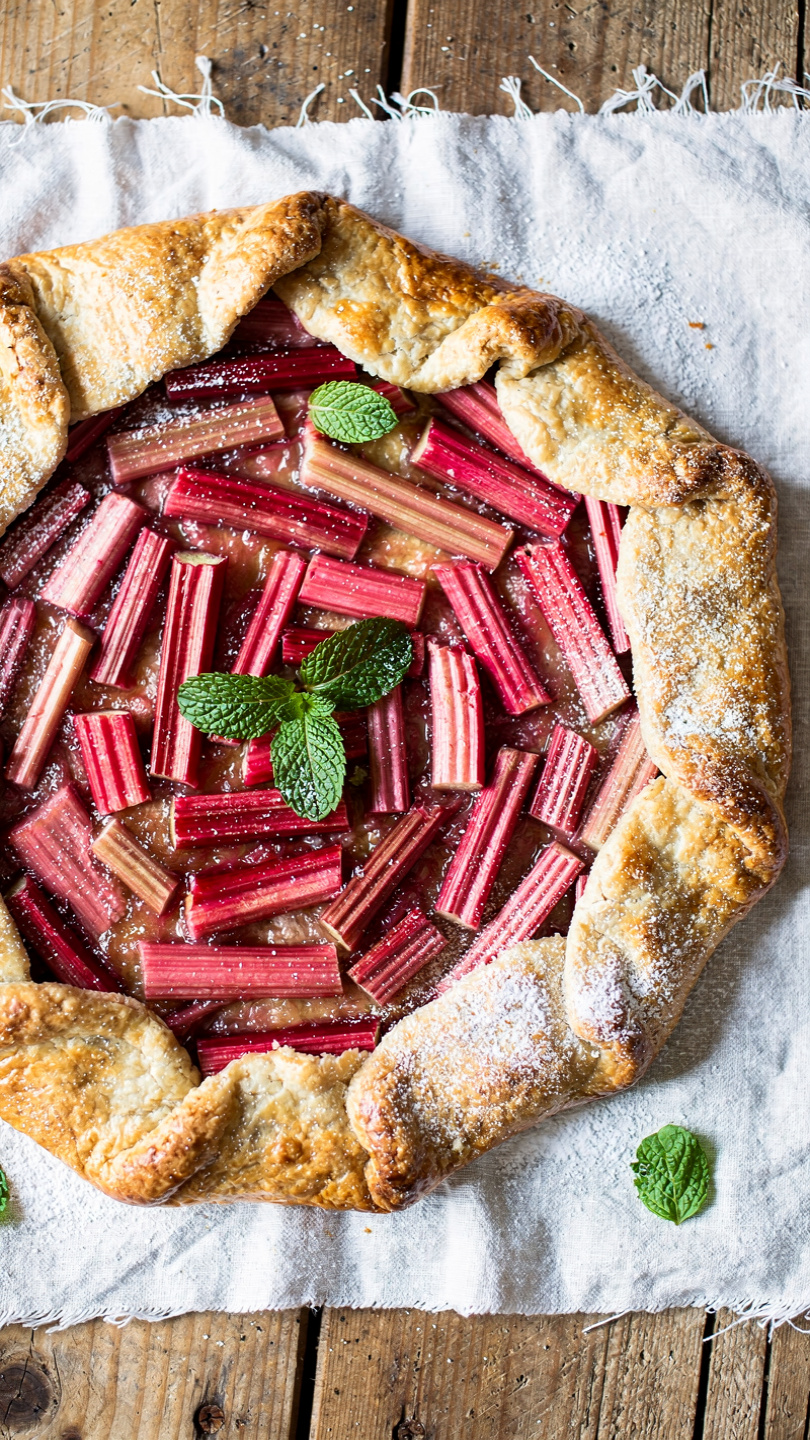
Rustic Rhubarb Galette with Honey and Vanilla Cream
This rustic rhubarb galette is buttery, flaky, and beautifully tangy with a hint of sweetness. It is the perfect freeform tart for spring and summer baking.

The Rustic Spring Tart You Will Want to Make Every Year
There is something quietly magical about a galette. No tart pan, no fussy crimping, no stress. You roll the dough into a rough circle, pile on the filling, fold up the edges, and let the oven do the rest. The result is a dessert that looks like it came from a Parisian farmhouse kitchen, and it tastes every bit as good as it looks.
This rhubarb galette is one of those recipes that earns a permanent spot in your spring and summer rotation. The crust is buttery and shattery. The filling is bracingly tart and just sweet enough, brightened with orange zest and a whisper of vanilla. A drizzle of honey over the top after baking takes it somewhere genuinely special.
If you have never cooked with rhubarb before, this is the perfect place to start. It is forgiving, it is fast, and the freeform nature of a galette means there is no such thing as getting it wrong.
Why Rhubarb Deserves More Love
Rhubarb has a bit of an image problem. People hear "tart" and they assume it means difficult to work with, or that you need to drown it in sugar to make it palatable. Neither of those things is true.
Raw rhubarb is indeed quite sour, but that acidity is exactly what makes it so exciting in baked goods. It cuts through the richness of a buttery pastry in a way that strawberries or peaches simply cannot. The flavor is complex and almost floral once it softens in the oven. Think of it as the citrus of the fruit world, vivid, bright, and impossible to ignore.
For this galette, you want firm, deeply colored stalks. Bright pink or deep crimson rhubarb will give you the most striking visual result and tends to have the best flavor. Avoid very green or pale stalks if you can. Always trim and discard the leaves, which are not edible.
The Tools and Ingredients That Make the Difference
A good galette lives and dies by two things: the quality of the butter in your crust, and the way you handle the dough. European-style butter with a higher fat content creates an exceptionally flaky, rich pastry. It is worth seeking out for this one.
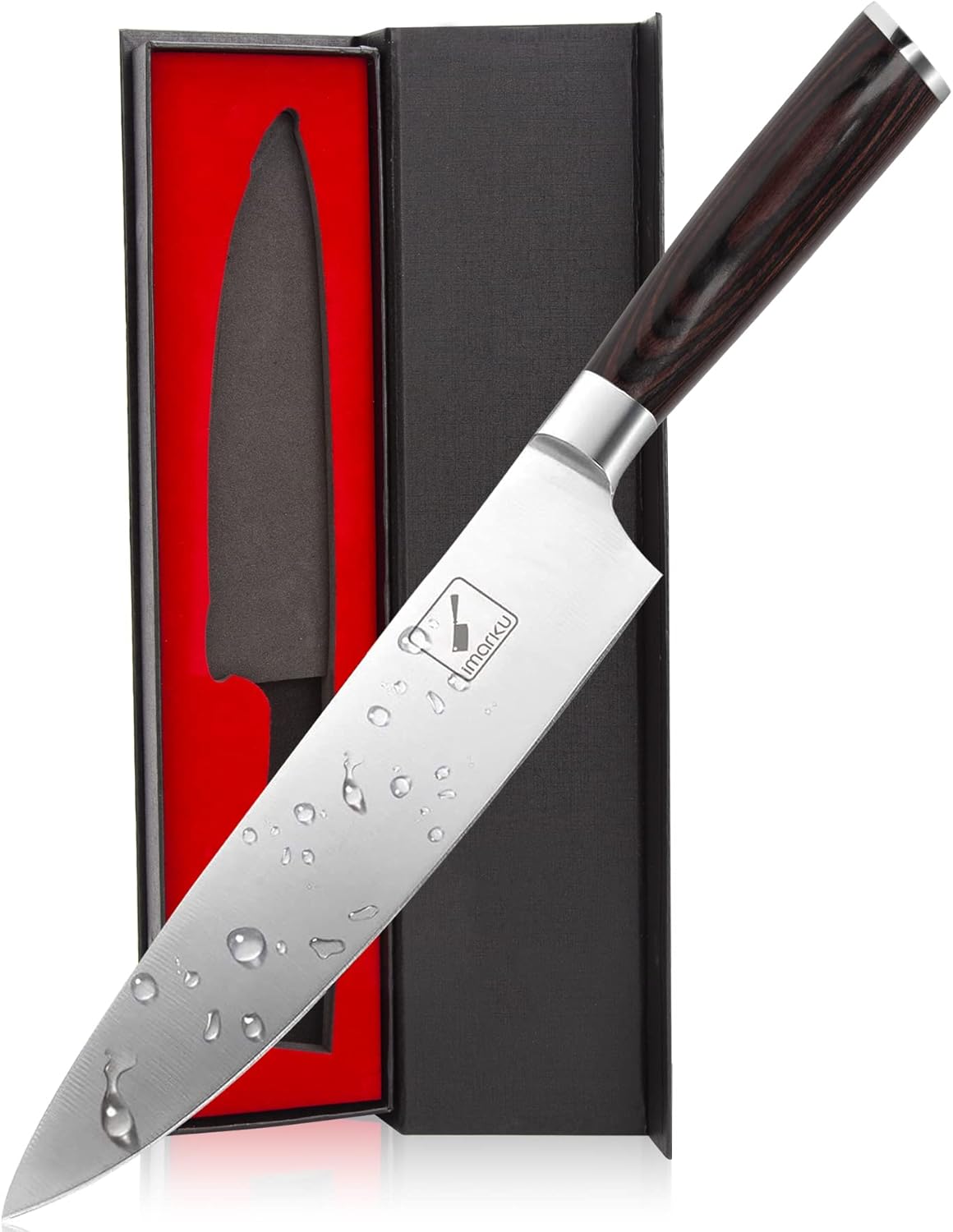
Having the right tools on hand makes the whole process smoother and more enjoyable:
Tools & Ingredients We Recommend


Chef's Tip: Keep everything cold. Cold butter, ice water, even a chilled bowl if your kitchen runs warm. The flaky layers in a good galette crust come from keeping the butter solid until it hits the oven heat. If the dough ever feels greasy or soft while you are working with it, pop it in the fridge for 10 minutes before continuing.
Building the Perfect Rustic Crust
The dough for this galette is a simple shortcrust, similar to a classic pie dough but slightly leaner. The goal is pea-sized pieces of butter distributed throughout the flour. Those little butter pockets are what create the flaky, layered texture once they steam in the oven.
A few things to keep in mind:
- Do not overwork the dough. Once it comes together, stop mixing. Overworking develops gluten and makes the crust tough.
- Chill the dough before rolling. At least 30 minutes in the refrigerator is non-negotiable. This relaxes the gluten and keeps the butter cold.
- Embrace the imperfection. A galette crust does not need to be a perfect circle. Irregular edges are part of the charm.
Bringing the Filling Together
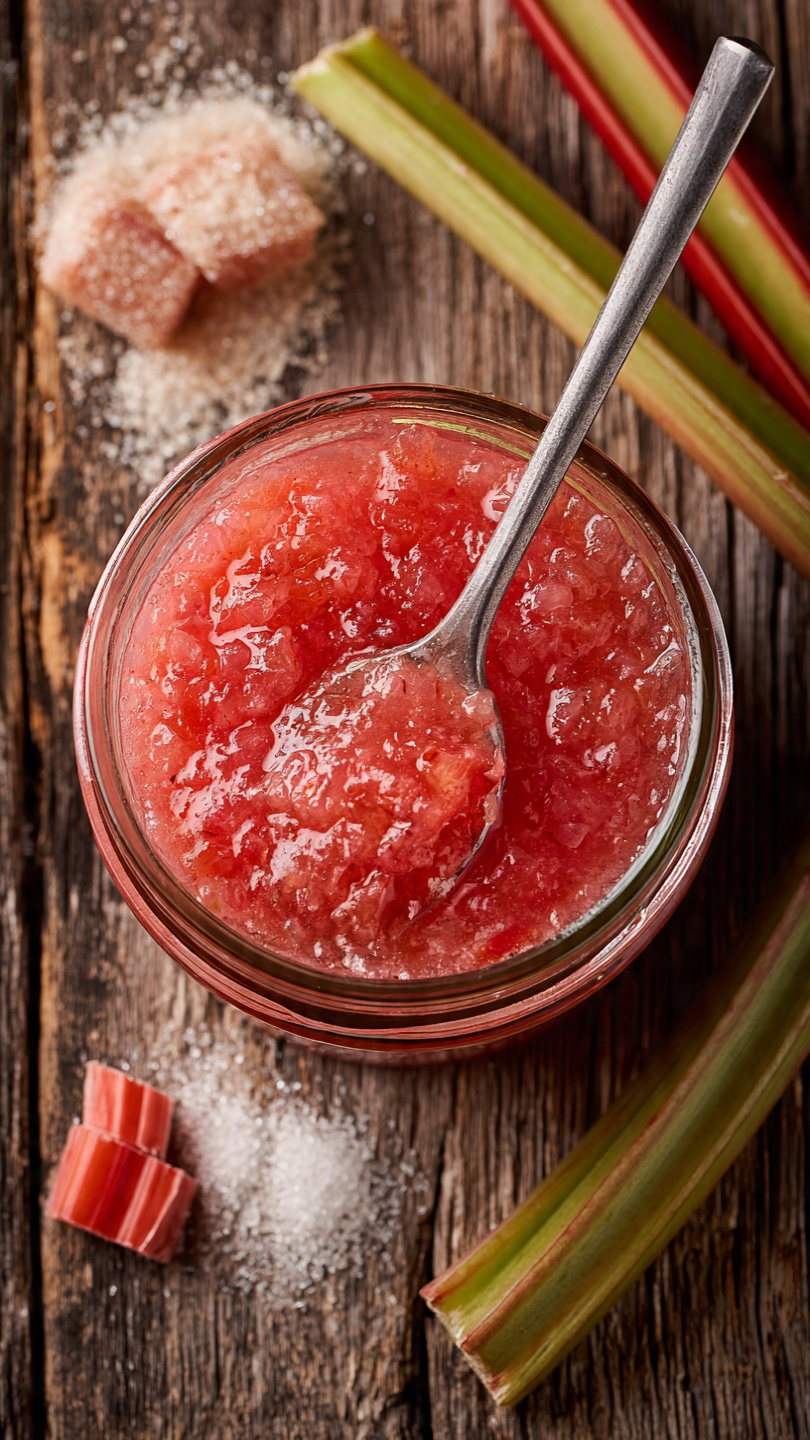
The filling for this galette is beautifully simple. Sliced rhubarb is tossed with sugar, a little cornstarch to thicken the juices, vanilla, and orange zest. The orange zest is a small addition that makes a genuinely noticeable difference. It lifts the whole flavor profile and adds a subtle brightness that complements the rhubarb without competing with it.
Let the filling sit for about 10 minutes after mixing. The sugar will begin drawing out the natural juices, which helps everything bake evenly and gives you that gorgeous jammy texture in the finished tart.
Chef's Tip: Taste your rhubarb before you bake. If it is exceptionally tart, add an extra tablespoon of sugar to the filling. The goal is a filling that tastes pleasantly sour raw, because the heat will mellow it considerably.
Ready to make it? Here is everything you need in one place:
Rustic Rhubarb Galette with Honey and Vanilla Cream
This rustic rhubarb galette is buttery, flaky, and beautifully tangy with a hint of sweetness. It is the perfect freeform tart for spring and summer baking.
Ingredients
- 1 1/4 cups all-purpose flour, plus more for dusting
- 1 tbsp granulated sugar, for the dough
- 1/4 tsp salt
- 8 tbsp unsalted butter, cold and cubed
- 3 tbsp ice water, added one tablespoon at a time
- 4 fresh rhubarb stalks, trimmed and sliced into 0.5-inch pieces, about 3 cups
- 1/2 cups granulated sugar, for the filling, adjust to taste
- 2 tbsp cornstarch
- 1 tsp vanilla extract, pure
- 1 tsp orange zest, from about half an orange
- 1 large egg, beaten, for egg wash
- 1 tbsp coarse sugar, turbinado or demerara, for sprinkling
- 1 tbsp honey, for drizzling after baking
Instruction
In a large bowl, whisk together the flour, 1 tablespoon of granulated sugar, and salt. Add the cold cubed butter and use your fingertips or a pastry cutter to work it into the flour until the mixture resembles coarse, pea-sized crumbles.
Drizzle in the ice water one tablespoon at a time, mixing gently with a fork until the dough just comes together. Do not overwork it. Shape into a flat disk, wrap in plastic wrap, and refrigerate for at least 30 minutes.
While the dough chills, combine the sliced rhubarb, sugar, cornstarch, vanilla extract, and orange zest in a bowl. Toss well and set aside for 10 minutes to let the juices begin to release.
Preheat your oven to 400 degrees F (200 degrees C). Line a large baking sheet with parchment paper.
On a lightly floured surface, roll the chilled dough into a rough 12-inch circle about 0.125 inches thick. It does not need to be perfect. Transfer it to the prepared baking sheet.
Spoon the rhubarb filling into the center of the dough, leaving a 2-inch border all around. Fold the edges of the dough up and over the outer rim of the filling, pleating as you go to create a rustic border.
Brush the folded crust edges with the beaten egg wash and sprinkle generously with coarse sugar.
Bake for 35 to 40 minutes, until the crust is deeply golden and the rhubarb filling is bubbling and tender.
Remove from the oven and let the galette cool on the pan for at least 15 minutes. Drizzle with honey just before serving. Slice and serve warm or at room temperature with whipped cream or vanilla ice cream.
Equipment
- Large mixing bowl
- Pastry cutter or fork
- Plastic wrap
- Rolling pin
- Large rimmed baking sheet
- Parchment paper
- Pastry brush
- Sharp knife or bench scraper
Notes
Serving and Storing Your Galette
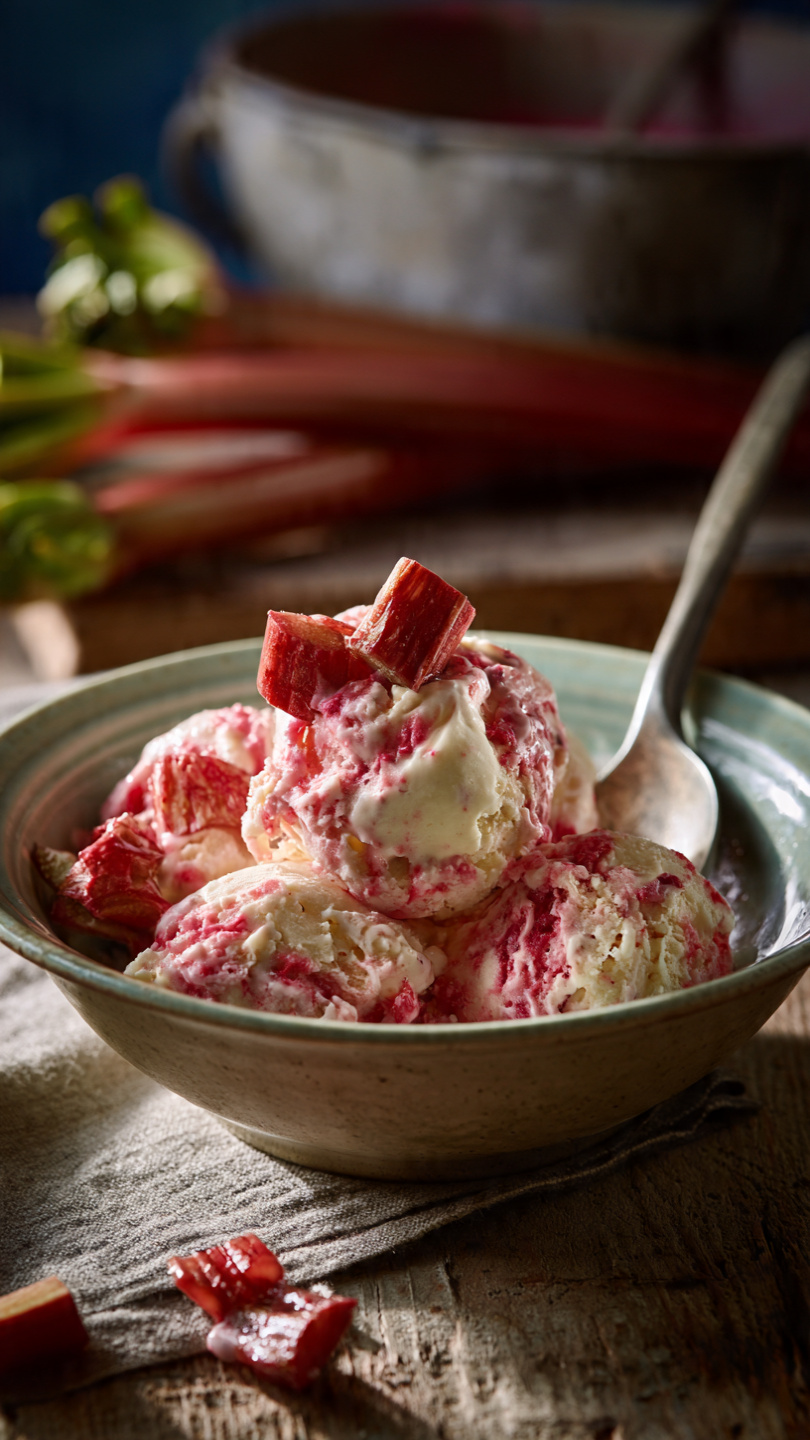
This galette is at its absolute best served slightly warm, about 20 to 30 minutes out of the oven, with a generous scoop of vanilla ice cream or a dollop of lightly sweetened whipped cream. The contrast between the warm, jammy filling and the cold cream is outstanding.
For a more elegant presentation, a light drizzle of good honey right before serving adds a beautiful gloss and a gentle floral sweetness that plays perfectly against the tart rhubarb.
Leftovers keep well. Store the galette loosely covered at room temperature for up to a day, or wrap and refrigerate for up to three days. To restore the crust's crispness, reheat slices in a low oven rather than the microwave.
This is also a wonderful make-ahead dessert for dinner parties. Bake it earlier in the day and serve it at room temperature. It holds up beautifully and requires zero last-minute effort.