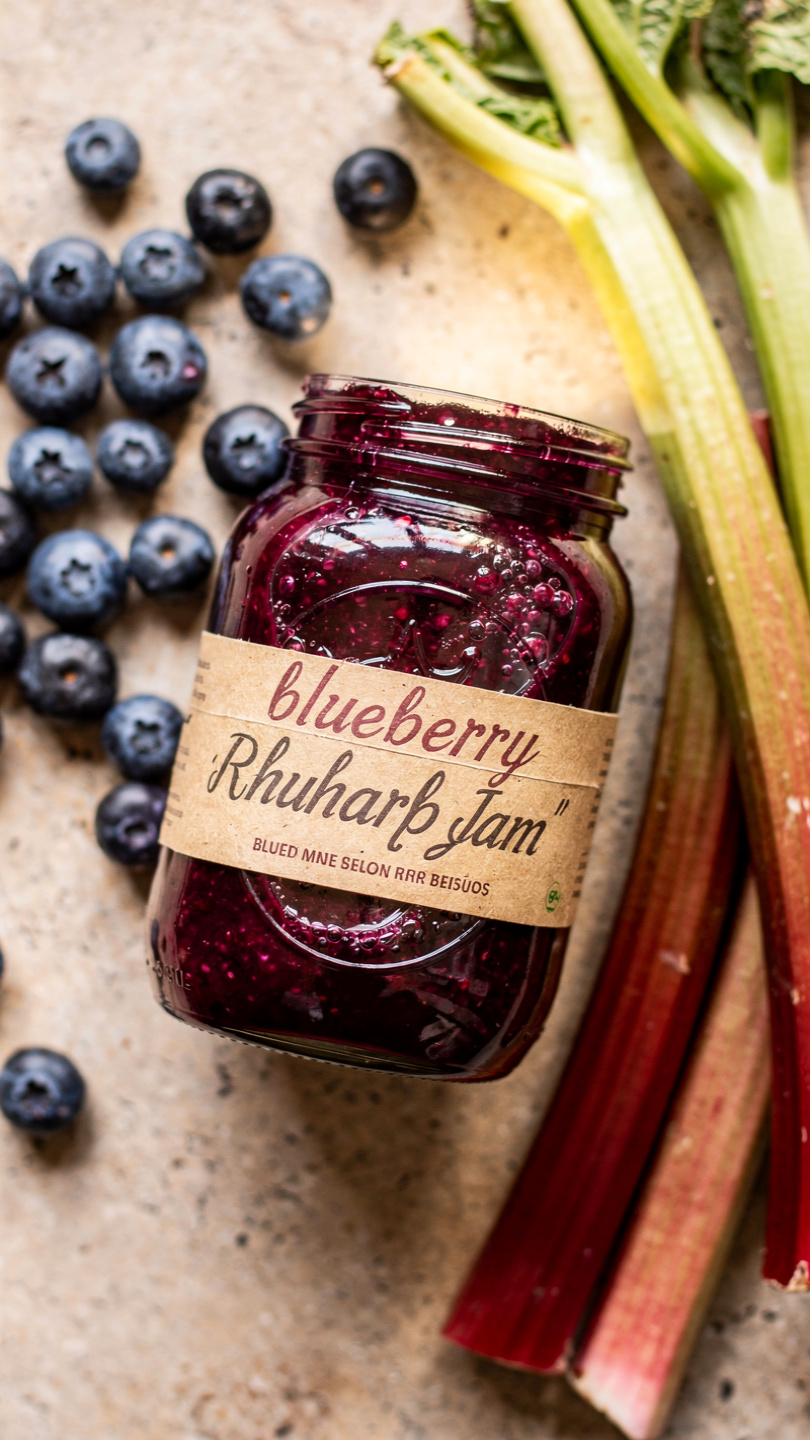
Blueberry Rhubarb Jam
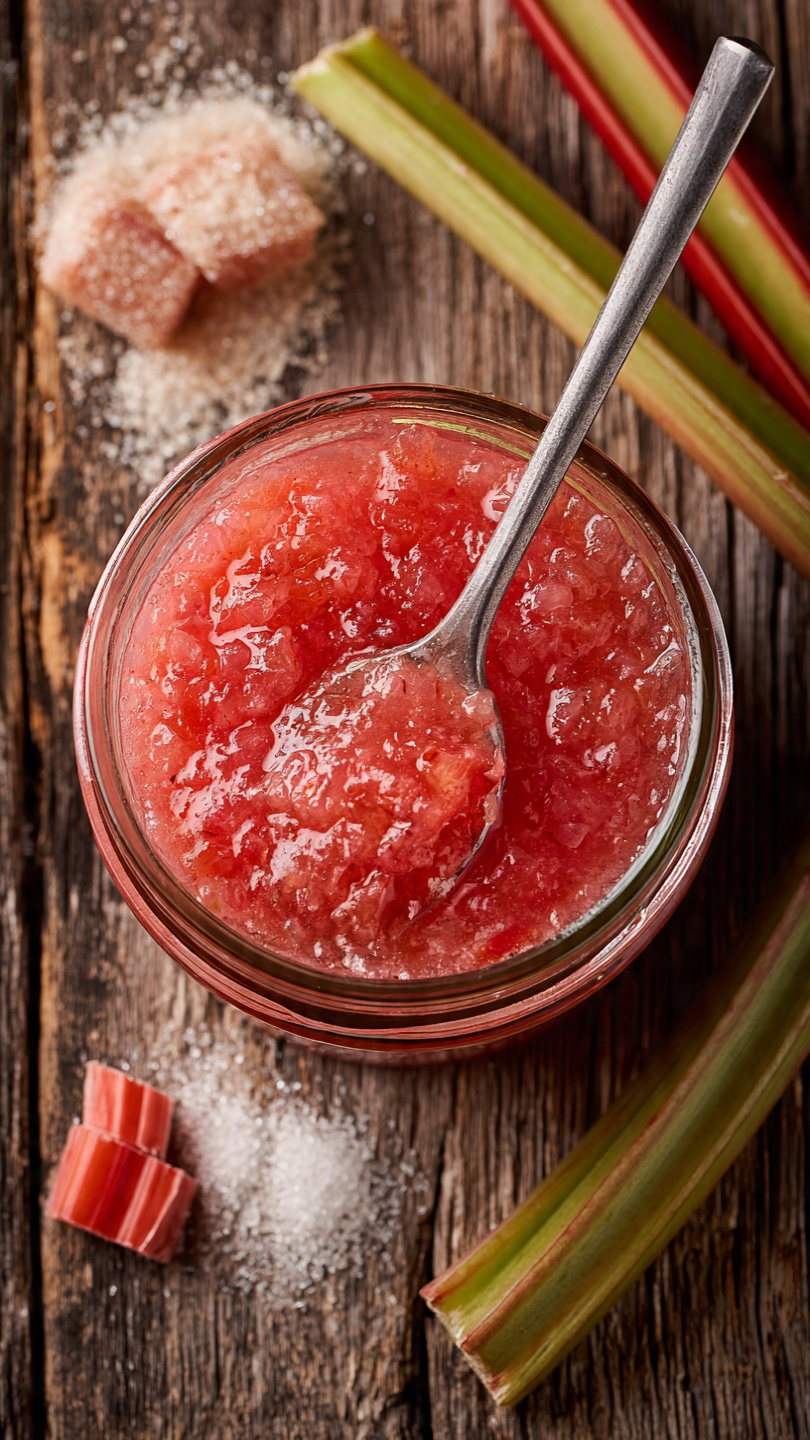
This Blueberry Rhubarb Jam is a stunning sweet-tart spread bursting with fresh fruit flavor, perfect for slathering on toast, swirling into yogurt, or gifting in beautiful jars.

The Sweet-Tart Spread You Will Want on Everything
There is something almost magical about the combination of blueberries and rhubarb. The blueberries bring a deep, jammy sweetness while the rhubarb pushes back with bright, lip-puckering tartness. Together, they create a jam with real personality, one that is complex enough to feel special but simple enough to make on a slow weekend morning.
This Blueberry Rhubarb Jam is the kind of recipe that turns a modest stack of toast into something worth waking up for. Spoon it over yogurt, swirl it into oatmeal, dollop it onto a cheese board, or tuck it into a thumbprint cookie. Better yet, pour it into pretty jars and give it away. Few homemade gifts are received with more genuine delight.
Why This Combination Works So Well
Rhubarb has a reputation for being aggressively tart, and on its own, it certainly is. But blueberries are a natural partner. Their sweetness softens rhubarb's sharp edges, and their deep purple color bleeds into the jam for a stunning jewel-toned result that looks almost too beautiful to eat.
A touch of lemon juice and zest brings everything into focus, brightening both fruits and adding a faint floral note that keeps the jam from feeling heavy or overly sweet.
Chef's Tip: For the most vibrant color and flavor, use ripe, in-season blueberries and fresh rhubarb stalks that are firm and deeply pink or red. Pale green rhubarb will taste fine but will give you a murkier, less vivid jam.
Tools and Ingredients That Make a Difference
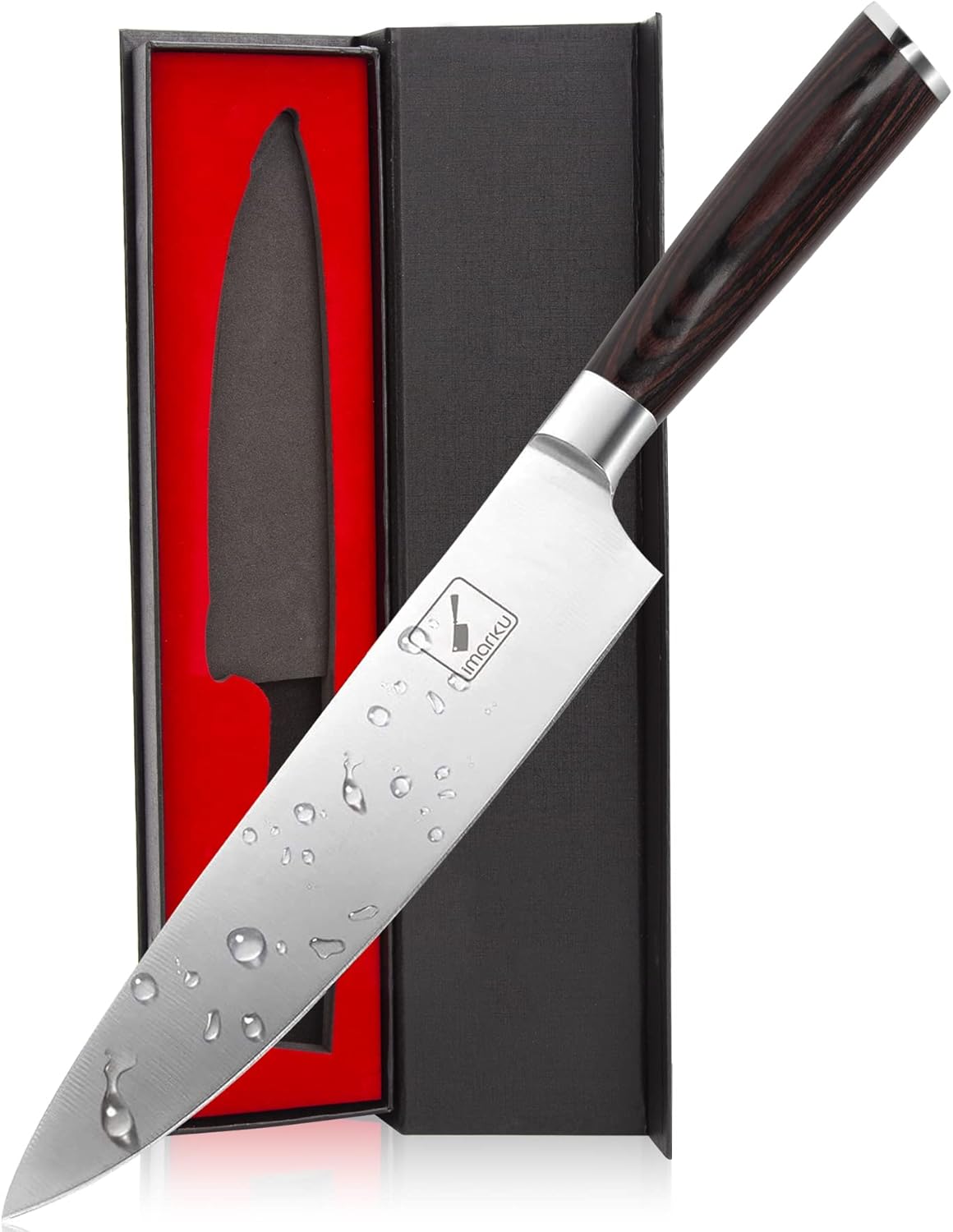
Good jam starts with the right setup. A heavy-bottomed pot prevents scorching, and proper canning jars ensure a safe, reliable seal every time. Having a chilled plate ready for the wrinkle test takes all the guesswork out of knowing when your jam has set.
Tools & Ingredients We Recommend

The Simple Science of Setting Jam
One of the most common jam-making anxieties is wondering whether it will actually set. Here is what you need to know:
- Pectin is the naturally occurring starch in fruit that causes jam to gel. Rhubarb has a moderate amount, blueberries have less.
- Adding a small amount of powdered pectin guarantees a reliable set without having to cook the jam down for an hour.
- The wrinkle test is your best friend. Drop a spoonful onto a plate you have been chilling in the freezer. Wait 30 seconds and push it with your fingertip. If it wrinkles and holds, you are done.
Do not skip the lemon juice. Beyond flavor, its acidity helps activate the pectin and ensures a proper set.
Fresh vs. Frozen Fruit
This recipe works beautifully with both fresh and frozen fruit, which means you can chase rhubarb season in the spring and still make a batch in December if you stocked your freezer. Just thaw frozen fruit completely and drain any accumulated liquid before you start cooking.
Fresh summer blueberries will give you the most vibrant flavor, but frozen blueberries produce an equally delicious jam with a slightly deeper, more concentrated taste.
Ready to fill some jars? Here is everything you need to make this jam from start to finish:
Blueberry Rhubarb Jam
This Blueberry Rhubarb Jam is a stunning sweet-tart spread bursting with fresh fruit flavor, perfect for slathering on toast, swirling into yogurt, or gifting in beautiful jars.
Ingredients
- 3 cups fresh blueberries, rinsed and picked over
- 2 cups fresh rhubarb, trimmed and cut into 0.5-inch pieces
- 2 1/2 cups granulated sugar
- 2 tbsp fresh lemon juice, about 1 large lemon
- 1 tsp lemon zest, finely grated
- 1 tbsp pectin powder, classic powdered fruit pectin
Instruction
Sterilize four 8-ounce canning jars and their lids by running them through a dishwasher on the hot cycle or submerging them in boiling water for 10 minutes. Keep warm until ready to fill.
Combine the blueberries and rhubarb in a large heavy-bottomed pot or Dutch oven over medium heat. Use a potato masher or the back of a wooden spoon to crush the fruit as it begins to soften, about 5 minutes.
Stir in the pectin powder until fully dissolved, then bring the mixture to a full rolling boil over medium-high heat, stirring constantly.
Add the granulated sugar all at once and stir vigorously to combine. Return to a full rolling boil that cannot be stirred down and boil hard for exactly 1 minute, continuing to stir.
Remove the pot from the heat and skim off any foam from the surface with a spoon. Stir in the lemon juice and lemon zest.
To test the set, place a small spoonful of jam on a chilled plate. Let it sit for 30 seconds, then push it with your finger. If it wrinkles and holds its shape, the jam is ready. If it is still runny, return to the boil for another 1 to 2 minutes and test again.
Using a ladle and a canning funnel, carefully pour the hot jam into the prepared jars, leaving 0.25 inch of headspace at the top. Wipe the rims clean with a damp cloth.
Seal the jars with lids and process in a boiling water bath for 10 minutes for shelf-stable storage. Alternatively, let the jars cool completely at room temperature and store in the refrigerator.
Allow jars to rest undisturbed for 12 to 24 hours. You should hear the satisfying pop of each lid sealing as they cool. Check that lids are concave before storing.
Equipment
- Large heavy-bottomed pot or Dutch oven
- Potato masher or wooden spoon
- Canning jars with lids and bands (four 8-oz jars)
- Canning funnel
- Ladle
- Small plate (chilled in freezer for jam test)
- Water bath canner or large stockpot with rack
Notes
Serving Ideas and Creative Uses
Once you have a few jars of this jam in your kitchen, you will find reasons to use it everywhere:
- Classic: Spread generously on sourdough toast with salted butter.
- Elegant: Serve alongside a wedge of brie or aged cheddar on a cheese board.
- Baking: Swirl into muffin batter, use as a cake filling, or spoon into the center of thumbprint cookies.
- Breakfast: Stir into plain Greek yogurt or layer into a parfait.
- Savory: Use as a glaze for roasted pork tenderloin or duck breast.
Storing and Gifting Your Jam
Processed jars will keep in a cool, dark pantry for up to a year. Once opened, refrigerate and use within three weeks. If you are skipping the water bath canning process, the jam will keep in the fridge for about a month or in the freezer for up to six months.
For gifting, tie a square of parchment or fabric over the lid with kitchen twine and add a handwritten label with the date. It is a small touch that makes a jar of homemade jam feel genuinely precious.