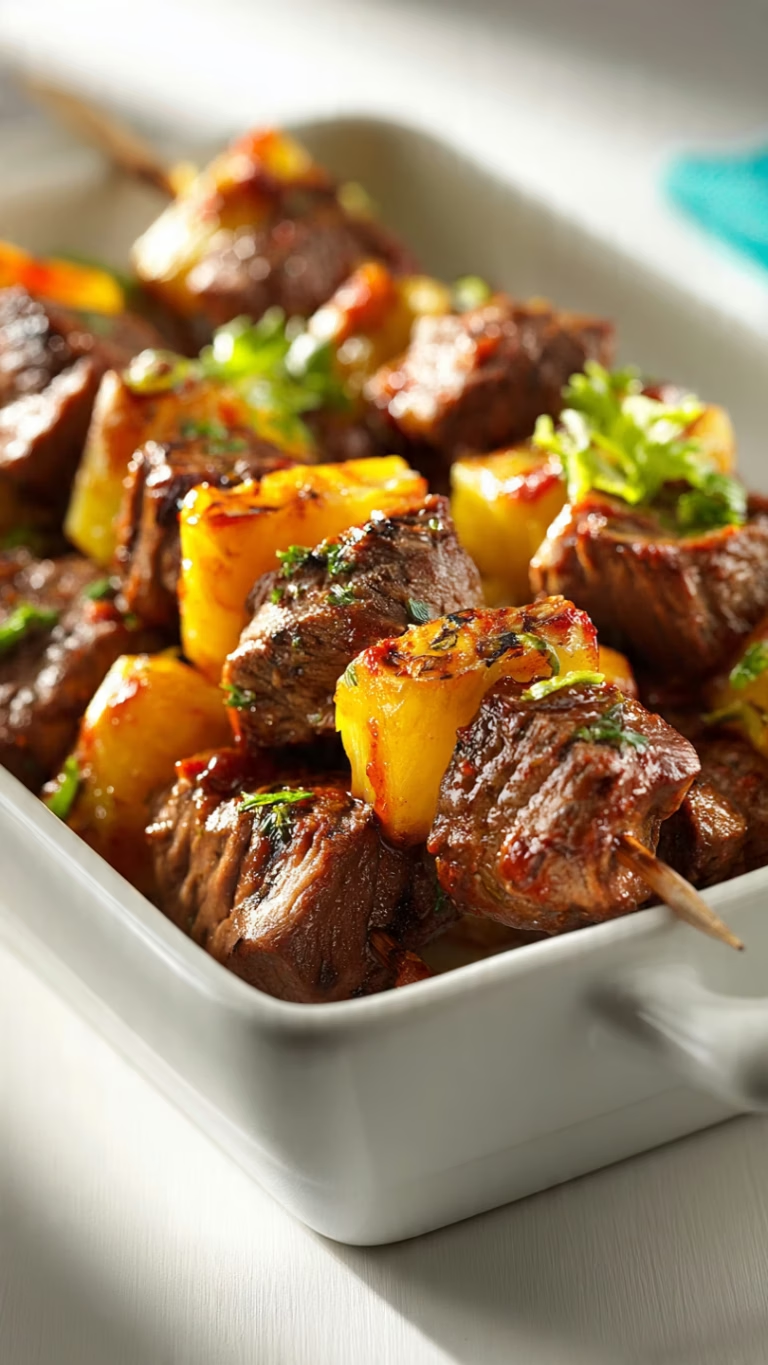
Easy Coconut Curry Shrimp – Ready in 30 Minutes
If you’ve ever wanted a restaurant-quality meal on the table in under thirty minutes, Coconut Curry Shrimp is about to become your new weeknight obsession. This dish brings together plump, juicy shrimp bathed in a rich, fragrant coconut sauce with layers of warm spice, gentle heat, and just the right amount of sweetness. It’s the kind of meal that feels indulgent but comes together so effortlessly you’ll wonder why you haven’t been making it for years.
Whether you’re a seasoned home cook or someone hunting for shrimp recipes easy enough for a busy Tuesday, this recipe delivers every single time. The creamy coconut milk curry base clings to each shrimp perfectly, and the aroma alone is enough to bring everyone running to the kitchen. Let’s dig in.
Why This Recipe Works
- Bold, layered flavor: By blooming the curry paste in oil before adding liquids, you unlock deep, complex flavor that tastes like it simmered for hours.
- Weeknight-friendly speed: This falls firmly in the category of quick shrimp recipes, clocking in at about thirty minutes from start to finish.
- Crowd-pleasing versatility: The coconut curry sauce pairs beautifully with mixed vegetables, making it easy to bulk up the dish with whatever you have on hand.
- Pantry-friendly ingredients: Most of what you need is already in your kitchen, and the rest is one grocery run away.
What You’ll Need
- Large shrimp (1.5 lbs, peeled and deveined): Fresh or thawed frozen both work beautifully here.
- Full-fat coconut milk (1 can, 13.5 oz): Full-fat is non-negotiable for that luscious, creamy coconut sauce.
- Red curry paste (2-3 tablespoons): Thai-style red curry paste is the backbone of this coconut curry shrimp.
- Garlic (4 cloves, minced): Adds essential savory depth to the base.
- Fresh ginger (1 tablespoon, grated): Brings warmth and brightness that dried ginger simply can’t replicate.
- Yellow onion (1 medium, diced): Builds a sweet, aromatic foundation.
- Mixed vegetables (1.5 cups, such as bell peppers, snap peas, or zucchini): Adds color, texture, and nutrition.
- Fish sauce (1 tablespoon): A little goes a long way for umami richness.
- Brown sugar (1 teaspoon): Balances the heat and acidity.
- Lime juice (2 tablespoons, fresh): Brightens the entire dish right before serving.
- Coconut oil or neutral oil (2 tablespoons): For sauteing the aromatics.
- Fresh cilantro and sliced scallions: For garnish and a fresh, herby finish.
Using the right pan makes a real difference when building a sauce this flavorful. A wide, heavy-bottomed skillet gives you even heat distribution so nothing scorches while you’re layering those aromatics.
Here’s the complete recipe:

Coconut Curry Shrimp
Equipment
- Large skillet or wide sauté pan
- Cutting board
- Chef's knife
- Wooden spoon or silicone spatula
Ingredients
- 1.5 lbs large shrimp peeled and deveined, patted dry
- 1 can (13.5 oz) full-fat coconut milk
- 2-3 tablespoons red curry paste Thai-style
- 4 cloves garlic minced
- 1 tablespoon fresh ginger peeled and grated
- 1 medium yellow onion diced
- 1.5 cups mixed vegetables such as bell peppers, snap peas, or zucchini
- 1 tablespoon fish sauce
- 1 teaspoon brown sugar
- 2 tablespoons fresh lime juice about 1 large lime
- 2 tablespoons coconut oil or neutral oil
- 0.25 cup fresh cilantro roughly chopped, for garnish
- 2 stalks scallions thinly sliced, for garnish
- salt and black pepper to taste
Instructions
- Pat the shrimp completely dry with paper towels and season lightly with salt and pepper. Set aside. Dice your onion, mince the garlic, grate the ginger, and chop your mixed vegetables so everything is ready before you start cooking.
- Heat the coconut oil in a large skillet over medium heat. Add the diced onion and sauté for 3 to 4 minutes, stirring occasionally, until softened and just beginning to turn golden at the edges.
- Add the minced garlic and grated ginger to the pan. Cook for 60 seconds, stirring constantly, until very fragrant. Be careful not to let the garlic brown.
- Push the aromatics to one side of the pan and add the red curry paste directly onto the open oil surface. Let it fry undisturbed for 30 seconds, then stir it into the aromatics and cook together for another 30 to 60 seconds. This step blooms the paste and is essential for deep, layered flavor.
- Pour in the full-fat coconut milk, fish sauce, and brown sugar. Stir everything together until the curry paste is fully incorporated. Bring the sauce to a gentle simmer over medium-low heat and cook for 4 to 5 minutes, stirring occasionally, until it begins to thicken slightly.
- Add the mixed vegetables to the simmering sauce. Cook for 3 to 4 minutes until just tender but still bright and slightly crisp. Do not overcook at this stage, as the vegetables will continue softening once the shrimp are added.
- Nestle the seasoned shrimp into the sauce in a single layer, making sure each shrimp is mostly submerged. Cook for 2 to 3 minutes per side, just until the shrimp curl tightly and turn fully opaque. Remove the pan from heat immediately to prevent overcooking.
- Squeeze the fresh lime juice over the finished dish and stir gently to incorporate. Taste and adjust seasoning with salt, pepper, or an extra splash of fish sauce if needed. Garnish generously with fresh cilantro and sliced scallions. Serve immediately over jasmine rice or with warm naan bread.
Notes
Make It Your Own
- Swap the protein: This coconut milk curry base works just as well with chicken breast strips, firm tofu, or even chickpeas for a vegetarian spin.
- Dial up the heat: Add a pinch of cayenne, a sliced Thai chili, or an extra tablespoon of curry paste if you like things fiery.
- Go green: Substitute green curry paste for a brighter, more herbaceous version of this curry shrimp.
- Add more greens: Stir in a few handfuls of baby spinach or kale in the last minute of cooking for a nutrient boost that wilts right into the sauce.
How to Make Coconut Curry Shrimp
- Prep your shrimp: Pat the shrimp dry with paper towels and season lightly with salt and pepper. Dry shrimp sear better and absorb more flavor from the sauce.
- Sauté the aromatics: Heat oil in a large skillet over medium heat. Add the diced onion and cook for 3-4 minutes until softened and translucent, then add garlic and ginger and cook for another 60 seconds until fragrant.
- Bloom the curry paste: Push the aromatics to the side and add the red curry paste directly to the oil. Let it sizzle and fry for about one minute, stirring constantly. This step is what transforms a good curry shrimp into a great one.
- Build the sauce: Pour in the coconut milk, fish sauce, and brown sugar. Stir everything together and bring to a gentle simmer over medium-low heat for about 5 minutes, letting the flavors meld into a cohesive coconut curry.
- Add vegetables: Toss in your mixed vegetables and simmer for 3-4 minutes until just tender but still vibrant.
- Cook the shrimp: Nestle the shrimp into the sauce in a single layer. Cook for 2-3 minutes per side, just until they curl and turn opaque. Overcooked shrimp become rubbery, so watch them closely.
- Finish and serve: Remove from heat, squeeze in the lime juice, and taste for seasoning. Garnish with fresh cilantro and scallions before plating.
Expert Tips
- Dry your shrimp thoroughly: Moisture on the shrimp will steam rather than sear them, diluting the sauce. A quick pat with paper towels makes a noticeable difference.
- Don’t rush the curry paste: Frying the paste in oil before adding liquid is the single most important step for deep, restaurant-worthy coconut curry flavor. Skipping it leaves the dish tasting flat.
- Room temperature coconut milk: If your coconut milk has separated in the can, give it a good stir or shake before using. Cold, lumpy coconut milk can break the sauce.
- Acid at the end: Always add lime juice off the heat or right before serving. Heat destroys bright citrus flavor quickly, and the freshness of that lime is what makes the whole dish pop.
Chef’s note: If your curry paste is particularly salty or potent, start with two tablespoons and taste before adding more. Brands vary widely in intensity.
Serving Suggestions
- Over jasmine rice: The classic pairing. Fluffy jasmine rice soaks up that golden coconut sauce like a dream.
- With flatbread or naan: Perfect for scooping and swiping every last drop of sauce from the bowl.
- Over cauliflower rice: A lighter, lower-carb option that still complements the bold flavors beautifully.
- Topped with toasted coconut flakes: Adds a subtle crunch and reinforces those warm, tropical coconut notes.
- With a simple cucumber salad: A cool, crisp side cuts through the richness of the sauce and balances the meal.
Storing and Reheating
- Refrigerator: Store leftovers in an airtight container for up to 3 days. The flavors actually deepen overnight, making day-two leftovers arguably even better.
- Freezing: You can freeze the curry sauce on its own for up to 2 months, but it’s best to add fresh shrimp when reheating rather than freezing them in the sauce, as shrimp can become tough after freezing and reheating.
- Reheating: Warm gently in a skillet over low heat with a splash of coconut milk or water to loosen the sauce. Avoid high heat, which will overcook the shrimp quickly.
- Meal prep tip: Make a double batch of the sauce and refrigerate or freeze it separately. When you’re ready to eat, just reheat the sauce and cook fresh shrimp directly in it for a meal in under ten minutes.
Frequently Asked Questions
Can I use light coconut milk instead of full-fat?
You can, but the sauce will be noticeably thinner and less creamy. Full-fat coconut milk is what gives this dish its signature rich, velvety texture. If you only have light coconut milk, reduce the sauce a bit longer before adding the shrimp.
What kind of shrimp is best for this recipe?
Large or jumbo shrimp (21-25 count per pound) work best because they stay juicy and substantial in the sauce without getting lost. Fresh is ideal, but high-quality frozen shrimp that has been fully thawed and dried is a perfectly excellent option for this coconut curry shrimp.
Is this recipe spicy?
It has a gentle, warming heat from the red curry paste, but it’s not aggressively spicy. You can easily control the heat level by adjusting the amount of curry paste or adding a fresh chili if you want more kick.
Can I make this dish ahead of time?
The sauce can be made up to two days in advance and refrigerated. When you’re ready to serve, simply reheat the sauce and add fresh shrimp, which cook in just a few minutes. This makes it ideal for easy entertaining.
Final Thoughts
Coconut Curry Shrimp is proof that spectacular flavor doesn’t require hours in the kitchen or a long list of hard-to-find ingredients. It’s one of those magical recipes that feels both special and completely achievable on any given weeknight. Whether you’re cooking it as a cozy solo dinner or scaling it up for a dinner party, the results are always impressive. Give it a try tonight and get ready to add it to your permanent rotation.